
Introduction
Policy change is the procedure for organizing and adopting a law or other regulatory act. This paper examines five process stages that ultimately led to the adoption of the Helping Families Save Their Homes Act of 2009. This law’s approval passed all the main stages, contributing to its legitimacy and effectiveness due to multiple corrections.
Agenda Setting
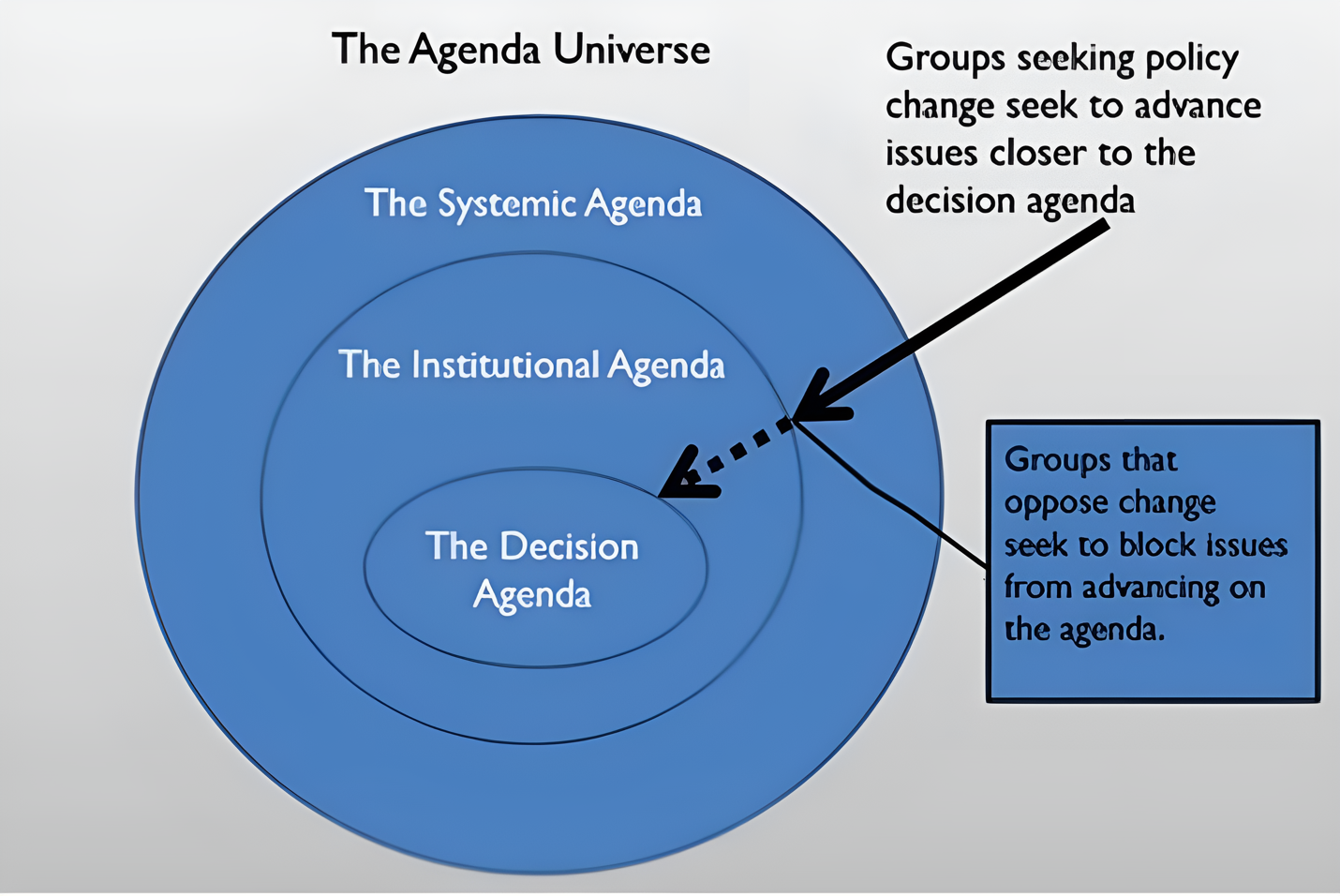
The multi-step agenda-setting procedure for The Helping Families Save Their Homes Act of 2009 is demonstrated in Figure 1. The proposals on the agenda were supported by the Connecticut City Administration, permanent commissions, the city’s head, voters, local governments, and commercial and non-profit organizations operating in the city. They were all stakeholders due to homelessness among citizens and high mortgage rates, so the systematic agenda was compiled as a result of their efforts.
The draft agenda for The Helping Families Save Their Homes Act of 2009 was formed by Senator Christopher Dodd as an institutional agenda. He brought it to the attention of the deputies representing the decision agenda seven days before the meeting. At the beginning of the meeting, the proposed agenda was discussed and approved.
Policy Formulation
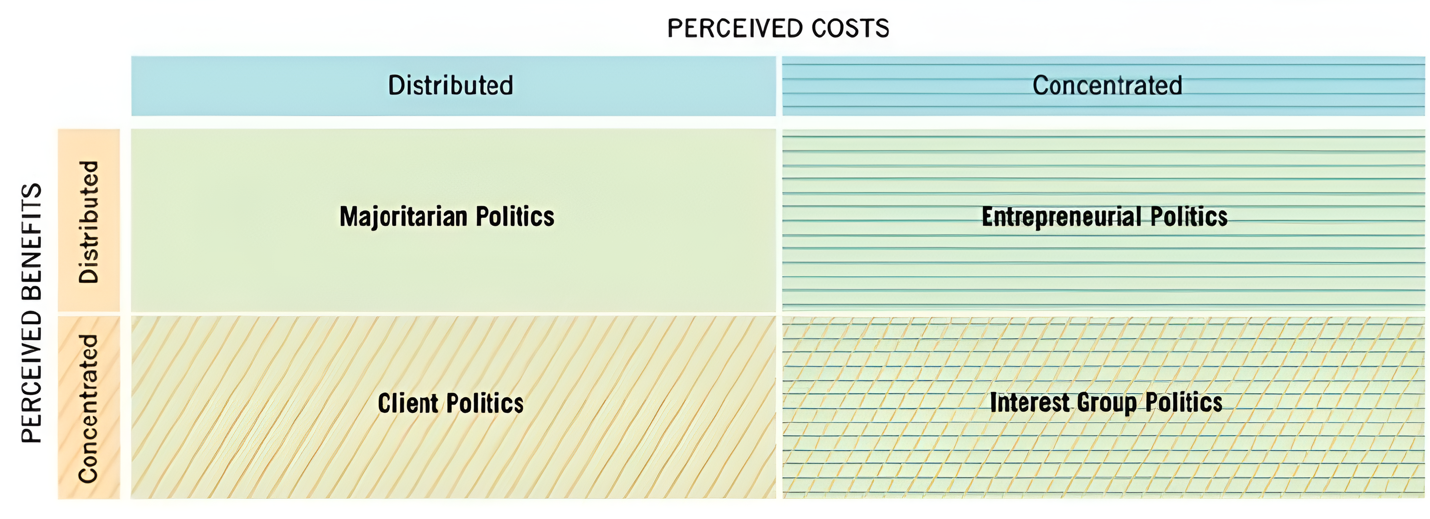
The Helping Families Save Their Homes Act of 2009 policy was developed with various circumstances and social groups in mind. As shown in Figure 2, the bill was developed based on society’s fundamental interests and the strategic needs of the entire state. Political leaders and elites expressed this in different versions of the program.
The limitation of the Helping Families Save Their Homes Act of 2009 was that it rested on real needs. The selection of strategic goals for homelessness prevention and their consolidation in the relevant documents were carried out with consideration of the costs and benefits for all potential bill stakeholders. Thus, the policy formulation considered the position of mortgage clients, entrepreneurs issuing it, and other interested parties.
Decision-Making
In each chamber, the bill, The Helping Families Save Their Homes Act of 2009, passed three readings on three days. During the first session, the Secretary of the Senate read out only the draft’s name and discussed the expediency of its adoption in the proposed concept-voting. It was adopted unanimously and sent to the standing committee corresponding to the project profile (Text of amendments, 2022). The second began with the Secretary of the Chamber announcing the bill’s text; the arrangement of votes on it is illustrated in Figure 3. After that, the committee’s rapporteur outlined proposals for amendments to facilitate mortgage payments and reduce homelessness.
After the committee’s report was announced, an article-by-article bill discussion occurred. During the debate, the deputies spoke on the amendments proposed by the committee and put forward their proposals for amendments. According to statistics, 116 out of 150 deputies initially supported the bill, and 34 proposed improvements, as shown in Figure 3. The proposed amendments did not contradict the content of the draft as a whole. The third reading was completed by a vote on the adoption of the bill, as a result of which the Helping Families Save Their Homes Act of 2009 was adopted.
Figure 3. Decision-Making: Discussing the Bill (Water Resources, 2022)
Policy Implementation
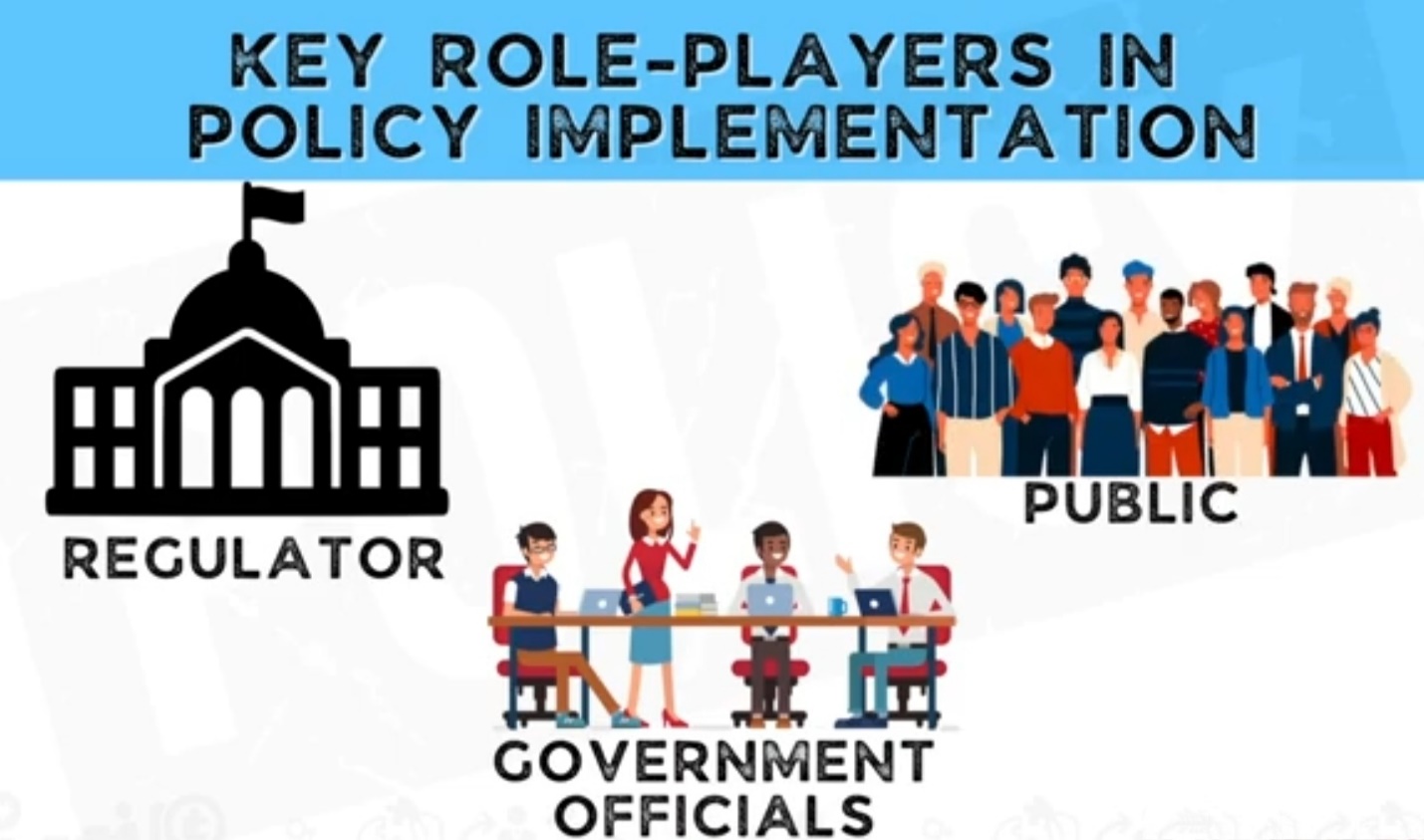
The Helping Families Save Their Homes Act of 2009 was implemented as a systematic process of using the resources at their disposal by public authorities and civil society institutions to achieve their goals. Figure 4 shows that the optimal policy implementation mechanism included working with government officials and the public. At the same time, the government itself acted as a regulator. Organizational, managerial, regulatory, financial, and economic spheres were involved in weakening mortgage payments and a personnel management system that issues and requires mortgage payments.
Policy Evaluation
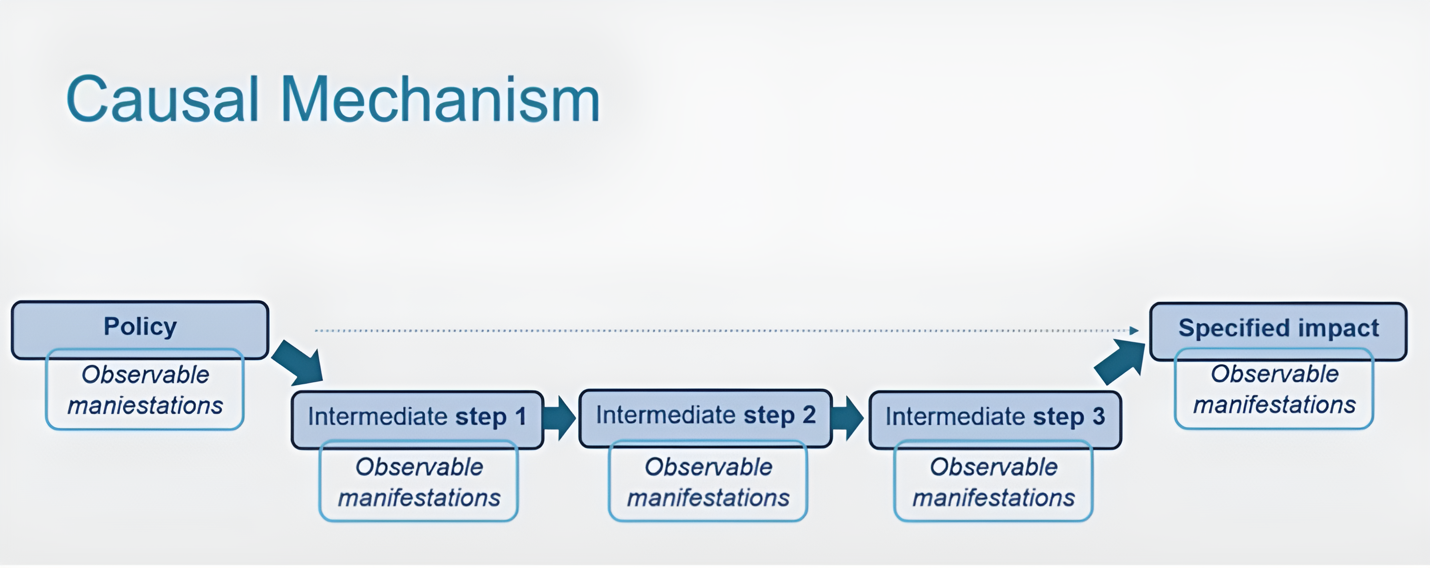
Figure 5 shows that implementing the Helping Families Save Their Homes Act of 2009 occurred in multiple stages, each followed by a monitoring period. The first stage was the control carried out early in policy implementation to identify deviations from the accepted norms. At the next level, monitoring took place in the form of regular collection and analysis of information on the progress of policy implementation, including a mechanism for responding to possible and real threats and deviations from the planned plan, such as severe losses of agencies surviving mortgage. In the final step, the policy execution of the Helping Families Save Their Homes Act of 2009 was assessed.
Conclusion
The process of adoption and entry into force of The Helping Families Save Their Homes Act of 2009, starting from the bill’s introduction and ending with the publication of the adopted law, was entirely legitimate. As a result of studying and measuring the actual results of the program, which is at the completion stage, it was revealed that its implementation really reduced the number of citizens who lost their homes due to bankruptcy due to mortgage.
References
James M. Inhofe national defense authorization act for fiscal year 2023 (2022). Congressional Record, 168(191), H8877.
H.R.3684 (2021). 117th Congress, 117(58), 117-75.
Investing in a new vision for the environment and surface transportation in America act (2021). Congressional Record, 167(114), H3338.
Smith, A. (2021-2022). H.Res.1512. 117th Congress.
Text of amendments (2022). Congressional Record, 168(157), S5239.
Water resources development act of 2022 (2022). Congressional Record, 168(97), H5262.